
All articles published on Nosy • Science in chronological order.
-
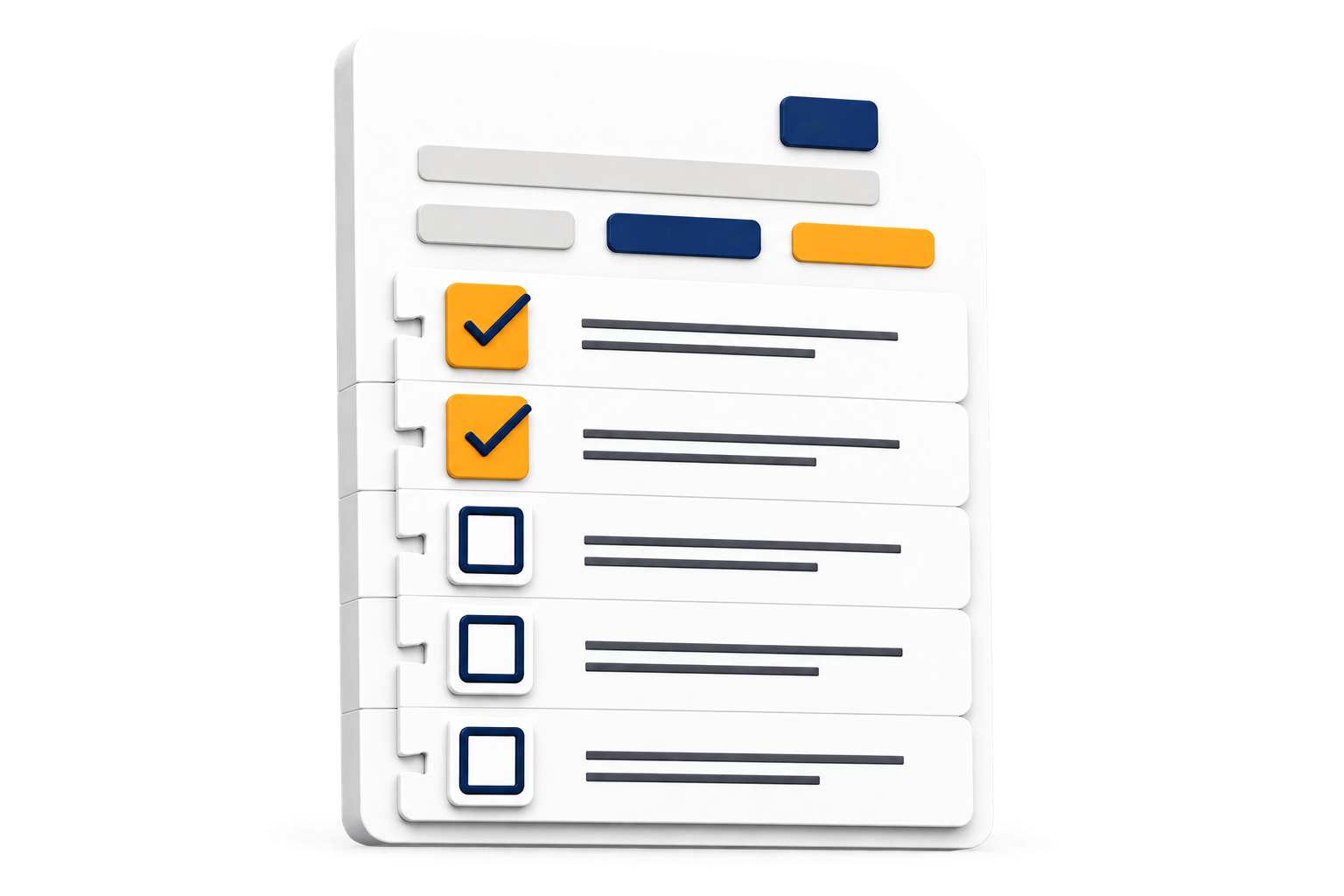
Checkboxes and Task Notes: Two Ways to Represent Work in Obsidian
A checkbox borrows its meaning from the note around it. A task note gives a piece of work its own identity, with context, properties, relationships and history. Here is why Obsidian benefits from both.
-
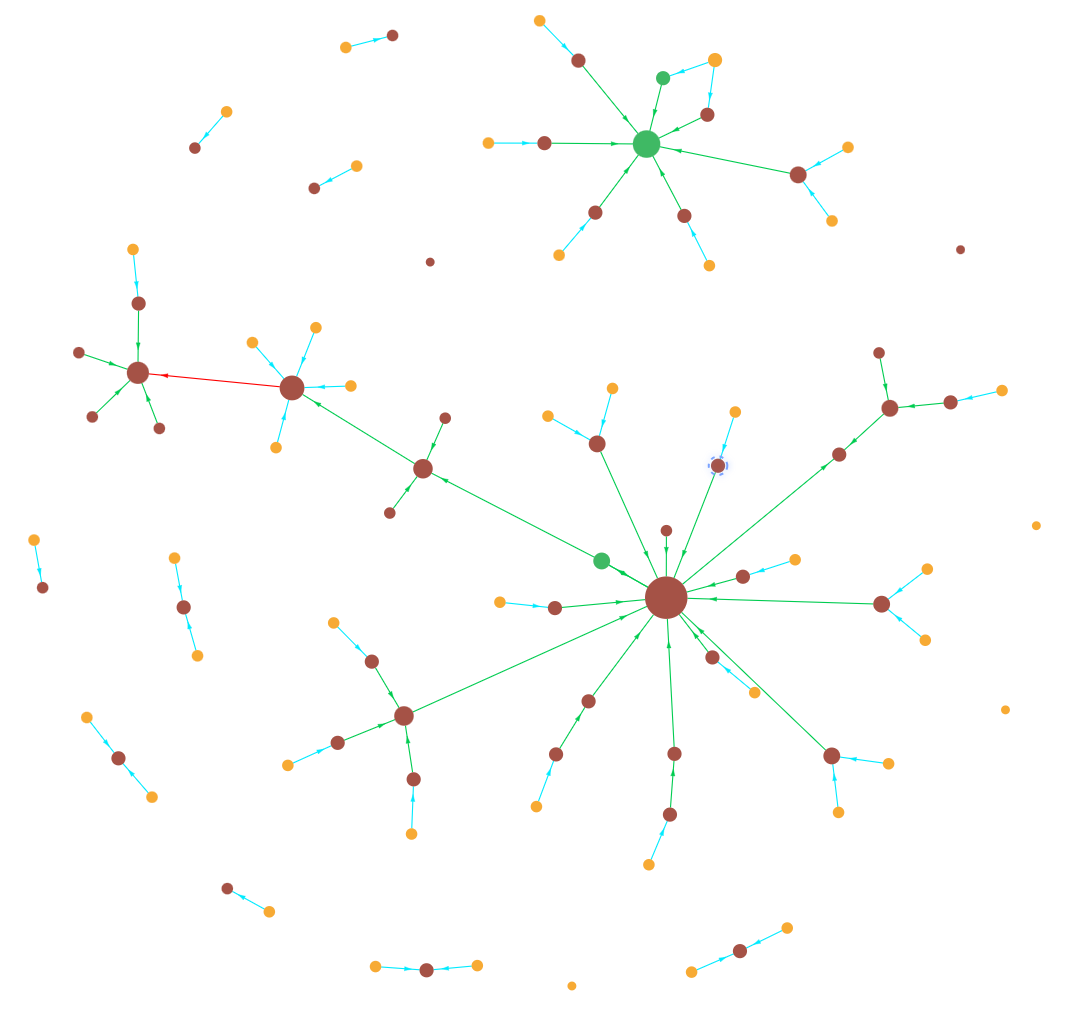
The Basis of Aging
Aging seems inevitable. Humans age, animals age, materials decay, even stars eventually burn out. But if aging is simply a universal consequence of time, why do some organisms survive for days while others live for centuries or barely seem to age at all? The answer may lie in a simple idea: life is a continuous…
-

Budget with Dataview
Want more control over your project budget in Obsidian? This guide shows how to use the Dataview plugin to track costs, analyze spending, and build flexible budget overviews, all inside your notes. From linking invoices to querying by category or project section, budgeting in O3PM with Dataview gives you structure without switching tools.
-
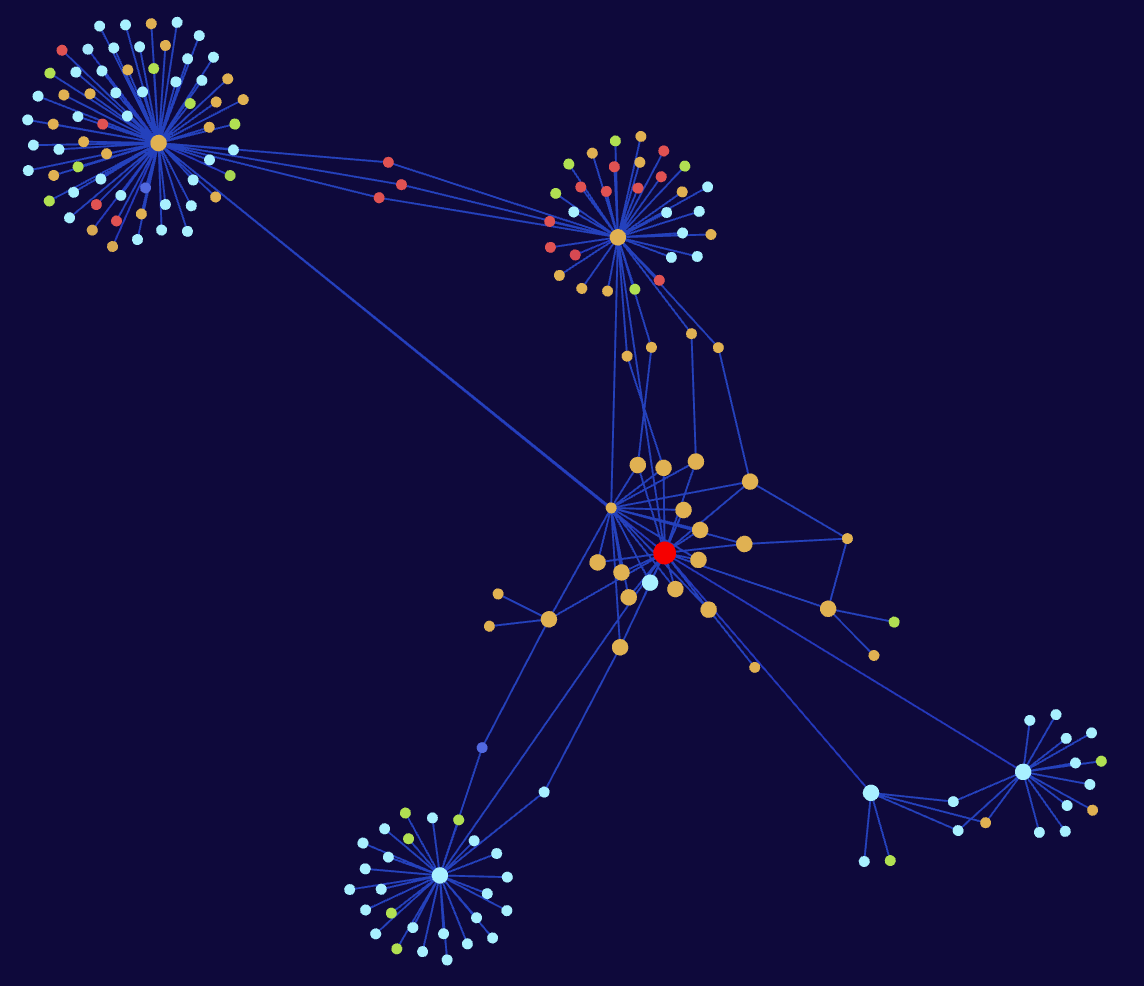
Budgeting in O3PM
Budgeting isn’t just about numbers, it’s the tangible bridge between project strategy and execution. Yet traditional tools scatter data across sheets, notes, and platforms, making updates painful, oversight easy, and alignment rare. Here O3PM offers a friction-less alternative by turning budgeting into a habit that improves project quality. With Gathering, Querying, and Interfacing, your system…
-
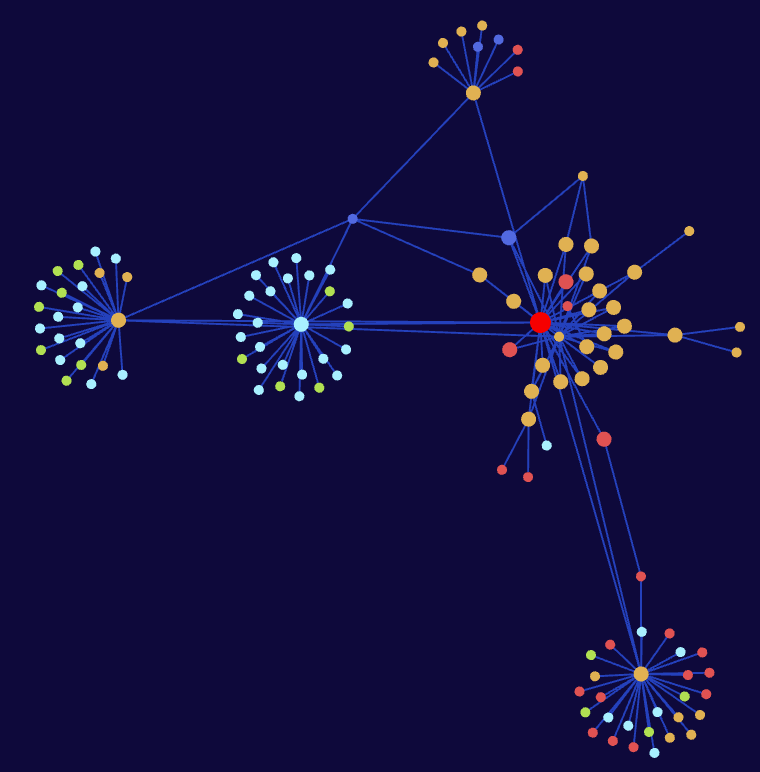
The Alignment Issue
We’re not just meeting too much, we’re meeting for the wrong reasons. This article dives into the real cost of alignment meetings: those synchronous gatherings where information gets passed around instead of documented. From wasted time and passive participation to blurring responsibility, we break down why alignment meetings often do more harm than good and…
-
Meet with Purpose – A look on why we should meet
Meetings take time, energy, and attention, so they should never be treated as default. To make meetings meaningful, they must serve a clear purpose: to make a decision, generate ideas, resolve conflict, give feedback, or build relationships. In this article, we explore the real reasons to meet and how to avoid wasting everyone’s time.